What is Blood Pressure Management?
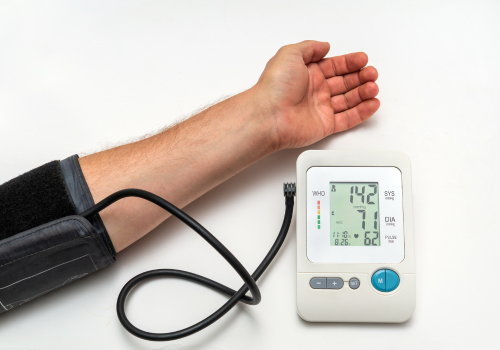
Blood pressure management involves maintaining a healthy blood pressure level to reduce the risk of heart disease, stroke, and other complications. Blood pressure is the force exerted by circulating blood against the walls of the arteries. When it becomes too high (hypertension) or too low (hypotension), it can lead to serious health issues. Effective management includes lifestyle modifications, dietary adjustments, regular monitoring, and medications if necessary. Proper control helps prevent complications such as heart attacks, kidney damage, and vision problems.

Causes of Blood Pressure Issues:
- Genetic Factors – Family history of hypertension or hypotension increases the risk.
- Obesity – Excess weight puts added pressure on the heart and blood vessels.
- Unhealthy Diet – High salt intake, processed foods, and excessive alcohol can raise blood pressure.
- Lack of Physical Activity – A sedentary lifestyle weakens the heart and affects circulation.
- Hormonal Imbalances – Conditions like thyroid disorders can impact blood pressure regulation.
- Stress & Sleep Disorders – Chronic stress and poor sleep quality can contribute to blood pressure fluctuations.
Symptoms of Blood Pressure Issues:
- Dizziness & Lightheadedness – Common in both high and low blood pressure.
- Swelling in Hands & Feet – Fluid retention due to blood pressure imbalances.
- Headaches – Frequent or severe headaches, especially in hypertension.
- Nausea & Vomiting – Can occur in extreme cases of high blood pressure.
- Shortness of Breath – Difficulty breathing, especially with exertion
- Fatigue & Weakness – Low energy levels due to poor circulation.